

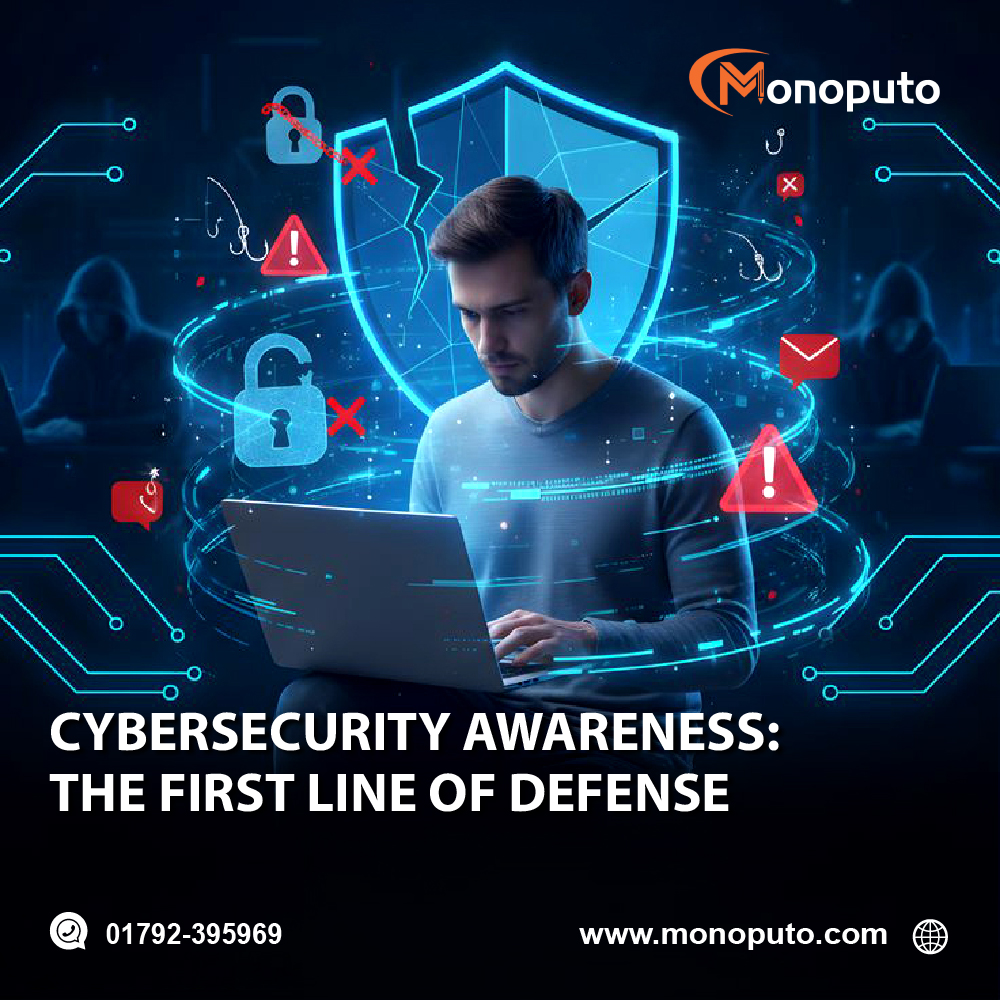
In today's digital world, cyber threats are becoming more sophisticated, but many successful cyberattacks still begin with a simple human mistake. Clicking a malicious link, opening an infected attachment, or sharing sensitive information with the wrong person can expose an entire organization to serious security risks.
That's why cybersecurity awareness is one of the most effective ways to protect your business. While firewalls, antivirus software, and advanced security tools are essential, your employees remain the first line of defense against cyber threats.
This guide explains why cybersecurity awareness matters and how businesses can build a strong security culture to reduce cyber risks.
Why Cybersecurity Awareness Matters
Most cyberattacks don't start by exploiting technology—they start by exploiting people. Cybercriminals use social engineering techniques to trick employees into revealing passwords, downloading malware, or granting unauthorized access.
Without proper cybersecurity awareness, businesses may face:
Data breaches
Ransomware attacks
Financial fraud
Identity theft
Business Email Compromise (BEC)
Operational downtime
Loss of customer trust
Regulatory penalties
Educated employees are far less likely to fall victim to these attacks.
Common Cyber Threats Employees Should Know
1. Phishing Attacks
Phishing emails appear to come from trusted companies or colleagues, encouraging users to click malicious links or provide confidential information.
Warning Signs
Unexpected emails requesting urgent action
Suspicious attachments
Fake login pages
Misspelled email addresses
Requests for passwords or payment details
Prevention Tips
Verify the sender before responding.
Never click unknown links.
Report suspicious emails immediately.
Enable Multi-Factor Authentication (MFA).
2. Social Engineering
Social engineering attacks manipulate people into revealing sensitive information by pretending to be trusted individuals or organizations.
Examples include:
Fake IT support calls
Business Email Compromise (BEC)
Impersonation scams
Fake customer support messages
Always verify identities before sharing confidential information.
3. Ransomware
Ransomware encrypts business files and demands payment to restore access.
Employees should avoid:
Opening suspicious attachments
Downloading software from unknown websites
Plugging unknown USB devices into company computers
Regular backups and employee awareness are key to prevention.
4. Weak Passwords
Weak or reused passwords make it easier for hackers to access business accounts.
Best practices include:
Use strong, unique passwords.
Enable Multi-Factor Authentication.
Use a trusted password manager.
Never share passwords with others.
5. Unsafe Internet Browsing
Employees should avoid:
Visiting suspicious websites
Downloading pirated software
Clicking pop-up advertisements
Installing unauthorized browser extensions
Safe browsing habits help reduce the risk of malware infections.
Best Practices for Building Cybersecurity Awareness
Provide Regular Employee Training
Cybersecurity awareness should not be a one-time event.
Training should cover:
Phishing identification
Password security
Social engineering attacks
Safe internet browsing
Data protection
Incident reporting procedures
Regular training keeps employees informed about evolving cyber threats.
Encourage a Security-First Culture
Create an environment where employees feel comfortable reporting suspicious activity without fear of blame.
Encourage staff to:
Report suspicious emails
Ask questions when unsure
Verify unusual requests
Follow company security policies
A proactive security culture strengthens your organization's defenses.
Enable Multi-Factor Authentication (MFA)
MFA adds an extra layer of security by requiring additional verification beyond a password.
Enable MFA for:
Email accounts
Cloud applications
VPN access
Business systems
Administrator accounts
Even if passwords are compromised, MFA significantly reduces unauthorized access.
Keep Systems Updated
Outdated software often contains vulnerabilities that attackers exploit.
Regularly update:
Operating systems
Business applications
Antivirus software
Web browsers
Firewalls
Automatic updates ensure the latest security patches are installed.
Develop an Incident Response Plan
Employees should know exactly what to do if they suspect a cyberattack.
Your response plan should include:
Reporting procedures
Account isolation
Password resets
IT team notification
Malware scanning
Recovery processes
A well-prepared response minimizes downtime and business disruption.
Everyday Cybersecurity Habits
Simple daily habits can dramatically improve security:
Lock your computer when away from your desk.
Verify unexpected emails and phone calls.
Use strong, unique passwords.
Avoid public Wi-Fi for sensitive work.
Keep software updated.
Back up important files regularly.
Think before clicking links or downloading attachments.
Report suspicious activity immediately.
These small actions help prevent major security incidents.
Benefits of Cybersecurity Awareness
Investing in cybersecurity awareness provides long-term business benefits:
Reduces phishing attacks
Prevents ransomware infections
Protects customer and business data
Improves regulatory compliance
Reduces financial losses
Strengthens business continuity
Builds customer confidence
Creates a security-conscious workplace
When employees understand cyber risks, they become one of your strongest security assets.
Why Choose Monoputo?
At Monoputo, we help businesses strengthen their cybersecurity through advanced security solutions and employee awareness programs.
Our services include:
Cybersecurity Risk Assessments
Employee Cybersecurity Awareness Training
Phishing Simulation Campaigns
Vulnerability Assessments
Penetration Testing
Endpoint Protection
Network Security Solutions
Security Monitoring
Incident Response Planning
IT Security Consulting
Our experienced cybersecurity professionals help organizations build a strong security culture while protecting critical business systems and customer data.
Make Cybersecurity Everyone's Responsibility
Technology alone cannot stop every cyberattack. Employees play a crucial role in protecting business systems, customer information, and company assets. By investing in cybersecurity awareness, regular training, and strong security practices, your organization can significantly reduce cyber risks and build a resilient defense against evolving threats.
Protect your business from the inside out with Monoputo's trusted cybersecurity solutions.
Contact Monoputo
📞 Call: +880 1792-395969
🌐 Website: www.monoputo.com
Monoputo – Securing Your Business, Protecting Your Digital Future.


